The Right Landscape in the Right Place
FIELD NOTES · ECOLOGICAL LANDSCAPES
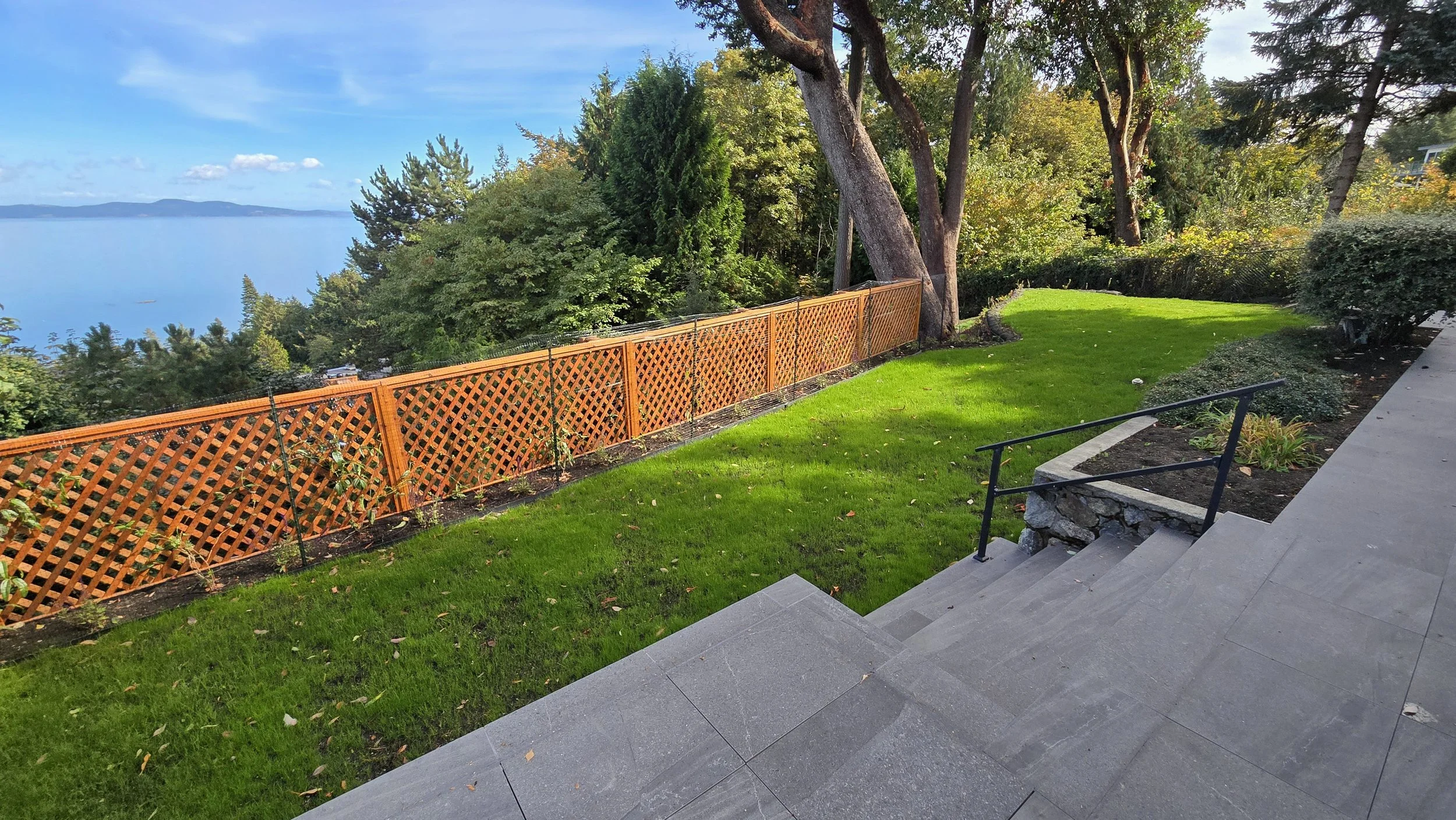
Cordova Bay — Saanich BC.
The Right Landscape in the Right Place
There is no single formula for an ecological landscape.
A lawn isn't automatically unsustainable. A native plant isn't automatically the right choice for every location. And replacing every traditional garden with a meadow won't necessarily create a landscape that works for the people who live there.
The better question is:
What belongs here?
The answer depends on the land, the climate, how the space is used and how much care it will receive over time.
Start with how the space is used
A landscape has to work for people as well as nature.
A family may need an open lawn where children can play. A pathway needs to remain accessible. A strata may need clear sightlines and predictable maintenance. Another homeowner might want a garden that provides food, attracts pollinators or simply requires less watering and mowing.
Those uses matter.
Ecological landscaping isn't about removing function from a property. It's about finding ways for function and ecology to work together.
Lawn can have a place
Lawns are useful.
They provide durable surfaces for recreation, pets, gatherings and other activities that are difficult to accommodate with densely planted landscapes.
The question is not necessarily whether a property should have a lawn, but how much lawn is useful and where it provides value.
An area that is rarely walked on, difficult to irrigate or awkward to mow may have better possibilities. Groundcovers, planting beds, meadow-like areas or other low-input alternatives can sometimes provide more ecological value while reducing maintenance.
Elsewhere, keeping healthy turf may be exactly the right decision.
Some places can do more
The edges of a property often offer opportunities.
A conventional planting bed might support a greater diversity of plants. A difficult corner could become habitat. A sunny area could incorporate edible plants or culinary and medicinal herbs. A wet area might be better suited to plants that naturally tolerate those conditions.
Even relatively small changes can add diversity to a landscape without completely redesigning it.
The goal isn't necessarily transformation everywhere.
Sometimes it is simply asking more of the spaces that aren't currently doing very much.
Choose plants for the conditions
Plant selection is one of the most important parts of creating a resilient landscape.
Sun exposure, soil, moisture, wind, available space and surrounding vegetation all affect whether a plant will thrive.
Native plants can provide important habitat and ecological relationships. Well-chosen adaptive species can also perform successfully in our landscapes, particularly where site conditions or the intended use call for them.
Edible plants and useful herbs can add another dimension by connecting people more directly with the landscape.
Rather than beginning with a list of plants we like, we prefer to begin with the conditions of the site.
Then we ask which plants belong there.
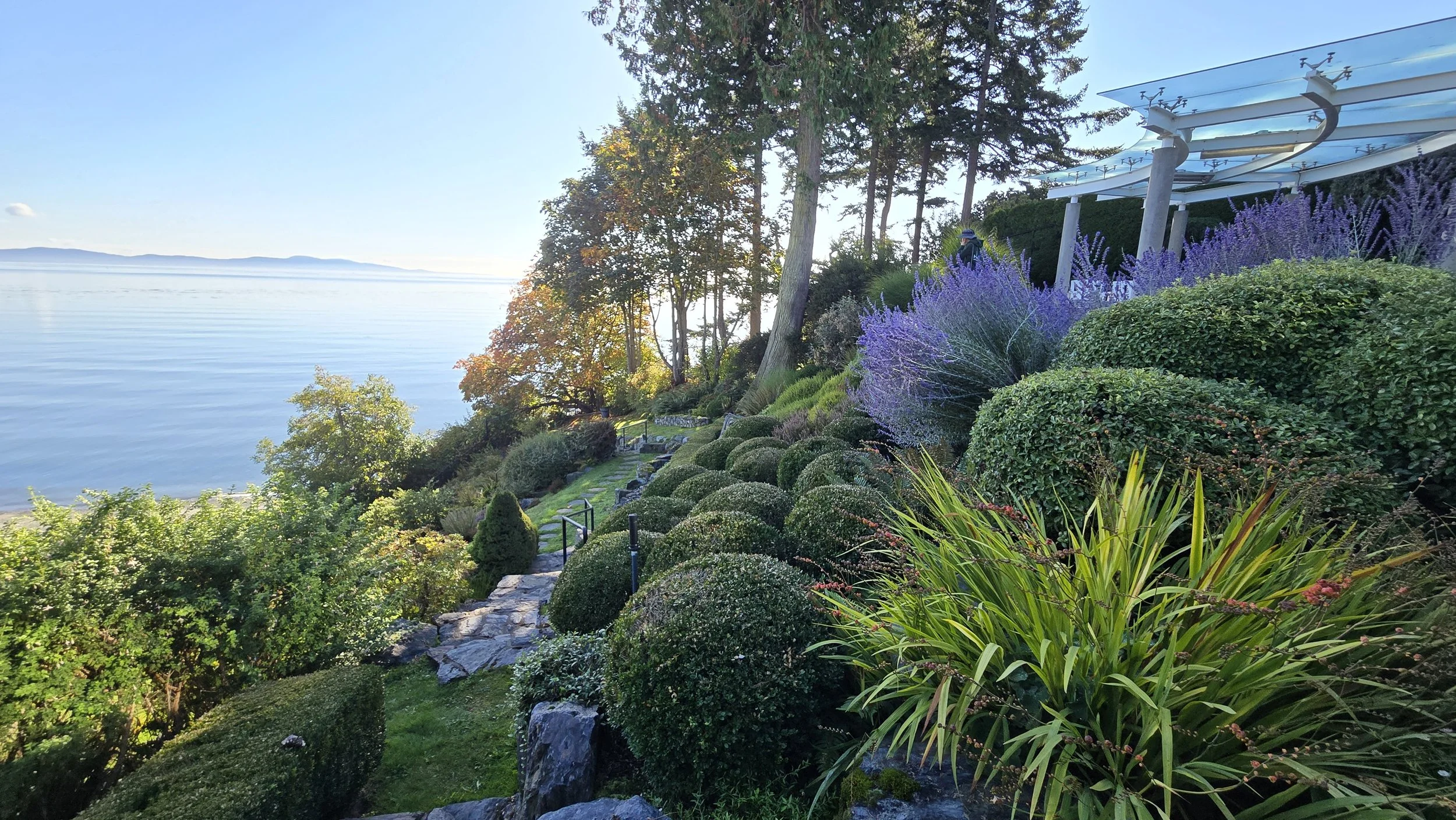
Cordoba Bay — Saanich, BC.
Think about water from the beginning
Where plants are placed also affects how much water a landscape requires.
Plants with similar water needs can be grouped together. Soil can be improved so it holds moisture more effectively. Mulch can reduce evaporation. Irrigation can be directed toward the plants that actually need it rather than watering an entire landscape uniformly.
In some areas, the best decision may be selecting plants that require very little supplemental irrigation once established.
Water efficiency isn't one feature added at the end of a landscape design. It is part of deciding what belongs where.
Landscapes can change gradually
Creating a more ecological landscape doesn't require rebuilding an entire property at once.
A lawn edge can become a planting bed this year. Irrigation can be improved next season. An underused corner can become an edible garden. As plants mature and conditions change, other opportunities may become apparent.
This gradual approach can be especially valuable for established landscapes.
Instead of replacing everything, we can work with what is already successful and improve the property over time.
The right landscape is different for every property
A coastal property exposed to wind will not behave like a sheltered woodland garden. A family home has different requirements from a strata property. A steep slope presents different opportunities from a flat backyard.
That's why we don't believe there is one picture of what an ecological landscape is supposed to look like.
It might include lawn.
It might include native plants.
It might include vegetables and medicinal herbs.
It might include a meadow, pathways, gathering spaces, trees, drainage features or carefully designed irrigation.
What matters is whether those elements make sense for the land, for the people using it and for the landscape we want to leave behind.
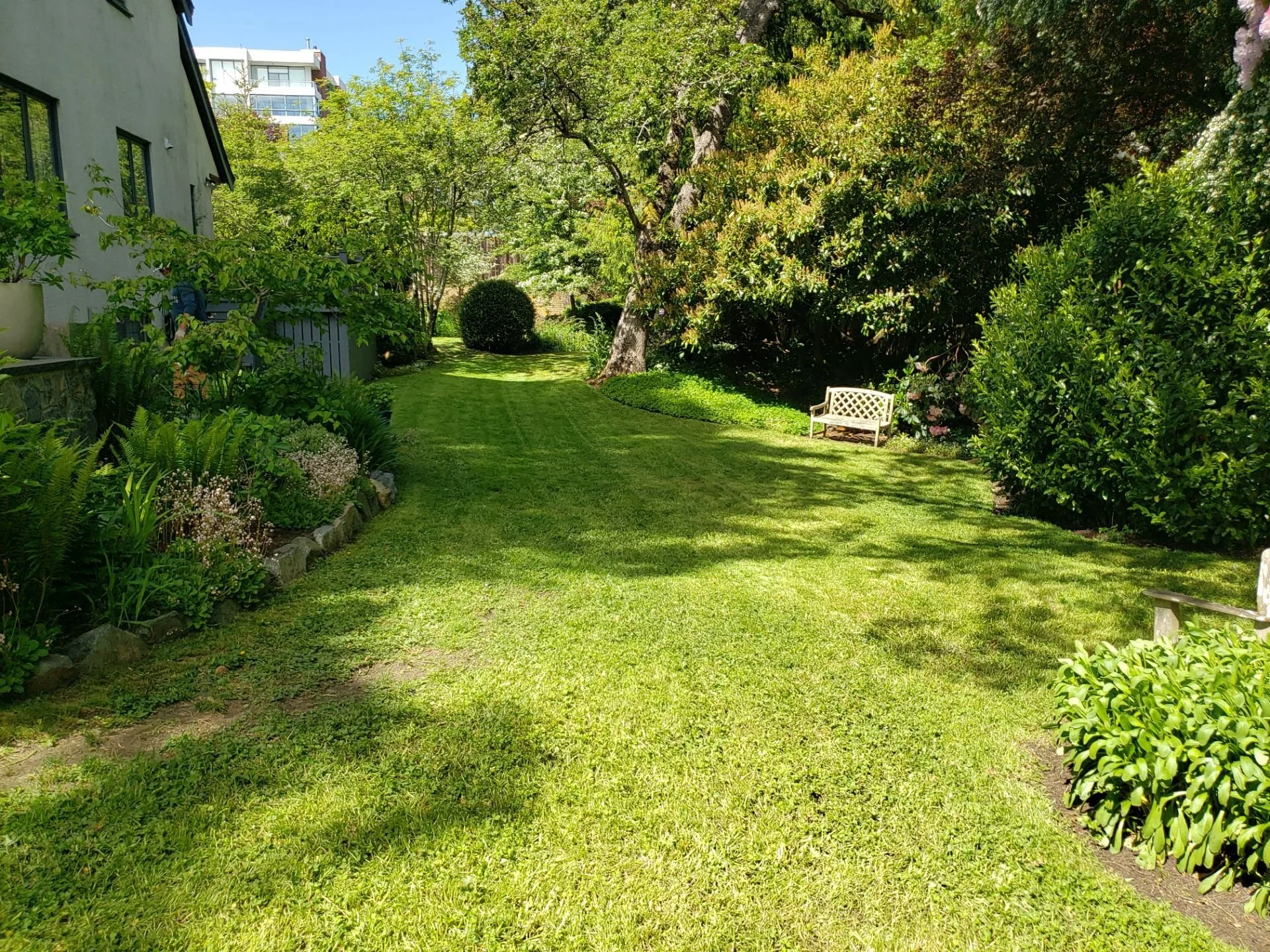
Rockland — Victoria BC.
A landscape doesn't have to change all at once.
Sometimes the best place to begin is simply identifying where your existing landscape is working well—and where it could be doing more.